Buying Guides
How to Choose a Packaging Bag Supplier in China Without Getting Burned
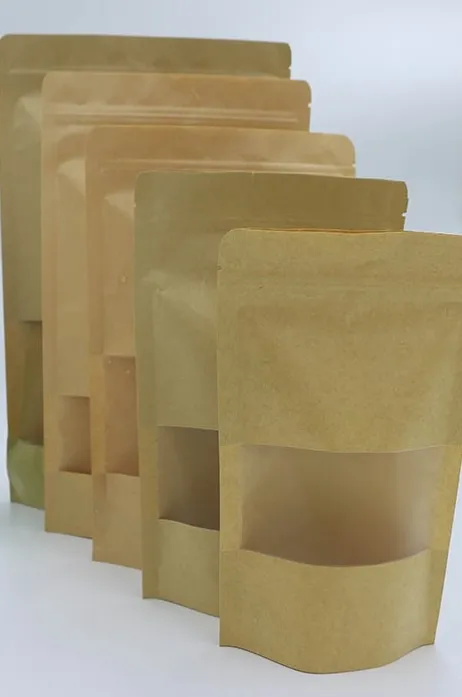
Ordering packaging bags from China can save your business real money, or it can leave you with a warehouse full of bags you cannot sell. The difference is rarely the price on the quotation. It is the checks you run before you place the order. Here is the checklist experienced dealers use.
Start with the material, not the price. A bag that looks right in a photo can fail in your customer's hands. Kraft paper bags are a good example: the paper should be full wood-pulp kraft, strong enough to carry the load without tearing at the seams, and available with a PP coating if the contents need water resistance. Ask the supplier what the paper is made of and how many layers the bag can be made in, from one to six. If the supplier cannot answer that in plain words, keep looking. The same rule applies to plastic bags and films: ask what resin the film is, and whether it is the grade your market expects for food contact. A vague answer here is the first warning sign.
Check food safety before you check the print. If your customers pack food, the bag must be safe for food contact. Ask directly whether the material is non-toxic and odourless, and what standard it is made to. A supplier who handles food packaging every day will answer this without hesitation and will have no problem putting it in writing. One who changes the subject is telling you something.
Look at the printing the way your customer will. Most bad orders are not about the bag, they are about the print: colours that shift, plates that blur fine text, and a logo that sits a few millimetres off centre. Ask for a printed sample before the bulk run, and check it against your artwork under normal light, not just in the supplier's photo. Confirm how many colours the press can run, whether the artwork needs any change for the bag's shape, and who pays if the first printed batch is wrong. Get that answer before you pay, not after.
Confirm the size against the real product, not the catalogue photo. A pouch that is perfect for 250 grams of coffee will not hold 500 grams of rice. Send the supplier the actual dimensions and weight of the product going inside, and ask them to confirm the bag size in writing. The cheapest mistake in this business is ordering a thousand bags in the wrong size.
Ask about the minimum order, the sample, and the lead time in the same conversation. A low unit price means nothing if the minimum order is five times what you can sell, or if the lead time misses your season. Ask for the sample cost and how long the sample takes, then the bulk lead time after you approve it. Dealers who get burned usually skipped one of these three questions.
Finally, check how the supplier handles a problem. Ask what happens if a batch arrives damaged, misprinted, or late. A good supplier has a plain answer: reprint, replace, or refund, and a clear way to raise it. If the answer is a shrug, the low price is not worth it.
None of this takes long, and all of it is cheaper than a bad order. The suppliers worth working with will welcome the questions, because they know a dealer who checks carefully is a dealer who comes back. Send an inquiry with your bag type, material, size, quantity and printing, and we will confirm what we can do before you commit to anything.